
Water damage in a commercial property is rarely just a cleanup issue. It is a business continuity issue. When water enters a building, it affects operations, employee safety, customer perception, and the structural integrity of the property itself.
Even a relatively small leak can escalate quickly. Moisture spreads behind walls, under flooring, and into HVAC systems, creating hidden problems that may not be visible until they become costly. In a commercial setting, this often leads to downtime, lost revenue, and unexpected repairs.
That is why commercial water damage restoration is not just about removing water. It is about restoring functionality as quickly and efficiently as possible while preventing long-term damage.
Common Causes of Commercial Water Damage in St. Louis Properties
Commercial properties across St. Louis face a range of water damage risks. Some are sudden, while others develop slowly over time.
Burst pipes and plumbing failures are among the most common causes, especially during temperature swings. Roof leaks, particularly after storms, can allow water to seep into ceilings and walls. Equipment failures, including HVAC systems and water heaters, can release large amounts of water quickly.
Sprinkler systems can also malfunction, causing significant damage in a short time. In addition, heavy rainfall and drainage issues can lead to localized flooding, especially in older buildings or areas with poor water management.
Understanding these risks is the first step in preventing damage. When issues do occur, a fast response is what makes the biggest difference.
What Makes Commercial Water Damage Different From Residential Losses
Commercial water damage restoration involves a completely different level of complexity compared to residential work.
Larger spaces require more advanced drying strategies. There are often multiple rooms, floors, and materials involved, each with different drying requirements. In addition, businesses must often remain operational during the restoration process, which adds another layer of coordination.
Commercial properties also tend to have more valuable assets at risk. Equipment, inventory, documents, and infrastructure all need to be protected. That means restoration work must be both thorough and strategic.
The First 24 to 48 Hours After Water Damage
The first 24 to 48 hours after water damage are critical. During this window, the goal is to remove standing water and begin the drying process before secondary issues develop.
Moisture that is not properly addressed can lead to mold growth, structural deterioration, and long-term indoor air quality issues. Acting quickly helps limit these risks and keeps the restoration process more manageable.
This is why having access to a 24/7 emergency response team is so important. As noted in the company’s service overview, immediate response helps avoid additional damage and keeps restoration timelines shorter.
Warning Signs a Commercial Building Has Hidden Water Damage
Not all water damage is obvious. In many cases, the most serious issues are hidden behind walls or under flooring.
Musty odors are often one of the first signs. Stains on ceilings or walls may indicate a slow leak. Warping or bubbling materials can signal moisture buildup beneath the surface.
Carpet that feels damp or areas that remain humid may point to underlying issues. HVAC systems can also spread moisture-related contaminants throughout a building, affecting indoor air quality.
Identifying these signs early can prevent a much larger restoration project down the line.
The Commercial Water Damage Restoration Process
A structured restoration process ensures that no detail is overlooked.
The process typically begins with emergency response and stabilization. This includes stopping the source of water and preventing further spread.
Next comes a detailed inspection and moisture assessment. This step identifies affected areas, including those that are not immediately visible.
Water extraction is then performed to remove standing water. After that, industrial drying and dehumidification equipment is used to eliminate remaining moisture.
Cleaning and sanitizing follow, ensuring that the space is safe and free from contaminants. Finally, repairs and restoration bring the property back to its original condition.
Why Professional Standards Matter in Commercial Restoration
Water damage restoration is not something that should be handled with guesswork. Proper training, equipment, and standards are essential.
Technicians need to understand how different materials respond to water, how moisture moves through a building, and how to properly dry each affected area. Without this knowledge, it is easy to miss hidden moisture, which can lead to future problems.
At St. Louis Cleaning and Restoration, technician training and certification are a key focus, ensuring that each project meets high industry standards.
How Water Damage Can Affect Indoor Air Quality
Water damage does not just affect surfaces. It also impacts the air people breathe.
Moisture can lead to microbial growth, which can spread through HVAC systems and affect the entire building. Contaminants can circulate repeatedly, reducing air quality and creating an uncomfortable environment for employees and customers.
This is why restoration often goes beyond water removal. Services like air duct cleaning and HEPA filtration play an important role in restoring a healthy indoor environment.
How Water Damage Can Disrupt Business Operations
One of the biggest concerns for commercial property owners is operational disruption.
Water damage can force businesses to close temporarily. It can damage equipment, destroy inventory, and create unsafe working conditions. Even after visible water is removed, lingering moisture can delay reopening if not handled properly.
A well-coordinated restoration plan helps minimize these disruptions. The goal is always to restore functionality as quickly as possible while ensuring the space is safe.
Industries That Often Need Commercial Water Damage Restoration in St. Louis
Many types of businesses rely on professional water damage restoration services.
Office buildings need to protect workspaces and electronics. Retail stores must maintain a clean and safe environment for customers. Medical facilities require strict cleanliness and safety standards.
Industrial facilities and warehouses often deal with large-scale water issues that require specialized equipment. Schools, churches, and multi-tenant properties also benefit from fast, professional restoration services.
Preventing Secondary Damage After a Water Loss
Secondary damage is often more costly than the initial water event.
If moisture is not fully removed, it can lead to mold growth, material degradation, and long-term structural issues. Flooring, drywall, and insulation are especially vulnerable.
Preventing these issues requires thorough drying and proper monitoring. It is not enough to remove visible water. Every affected area must be addressed to ensure the building is truly restored.
What to Look for in a Commercial Water Damage Restoration Company
Choosing the right restoration company can make a significant difference in the outcome.
Availability is key. Water damage does not wait for business hours, so 24/7 response is essential. Experience with commercial properties is equally important, as these projects require a different approach than residential work.
Strong communication, clear assessments, and the ability to handle multiple aspects of restoration are also critical factors.
Why St. Louis Cleaning and Restoration Is a Strong Local Option
St. Louis Cleaning and Restoration has been serving businesses and property owners in the St. Louis area since 1991, providing both cleaning and restoration services under one roof.
As a full-service company, our team is equipped to handle everything from water extraction to complete restoration. This includes water damage remediation, mold remediation, and fire damage restoration, allowing for a more streamlined recovery process.
With 24/7 emergency response, we are able to act quickly when time matters most, helping reduce damage and get properties back to normal faster.
Additional Services That Support Recovery After Water Damage
Water damage often requires more than just drying.
Mold remediation may be necessary if moisture has been present for an extended period. Air duct cleaning can help remove contaminants that have spread through the HVAC system.
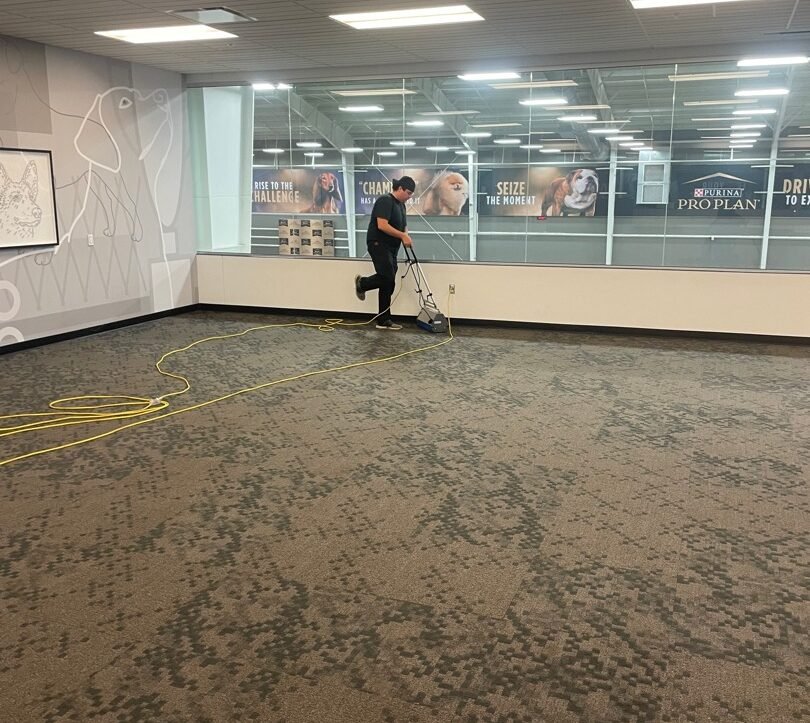
Carpet, upholstery, and hard surface cleaning can restore the appearance and safety of affected areas. These services work together to ensure that the property is not only dry, but also clean and fully functional.
St. Louis Cleaning and Restoration offers a wide range of these services, helping businesses recover more efficiently without needing multiple contractors.
When to Call for Help
It is always better to act sooner rather than later when dealing with water damage.
If there is standing water, visible damage, or even just a suspicion of hidden moisture, it is worth having a professional assessment. Small issues can quickly become major problems if left untreated.
The sooner the restoration process begins, the easier it is to control damage and reduce costs.
Restoring Your Property With Confidence
Commercial water damage can feel overwhelming, but the right approach makes all the difference.
Fast response, proper assessment, and thorough restoration help protect both the property and the business operating inside it. With the right team in place, it is possible to recover quickly and move forward with confidence.
If your property has experienced water damage, you can reach out to our team here:
https://stlouiscleaningandrestoration.com/contact/
We are here to help you get back to normal as quickly as possible.